
Before construction begins, there's a lot of work that happens behind the scenes. From evaluating existing site conditions to coordinating grading, drainage, and utilities, proper site preparation lays the groundwork for a successful construction project.
While much of this early work may not be visible once a project is complete, it plays an important role in the safety, functionality, and long-term performance of a building. Taking the time to prepare a site properly helps prevent unexpected challenges, keeps projects moving forward, and creates a stronger foundation for the work ahead.
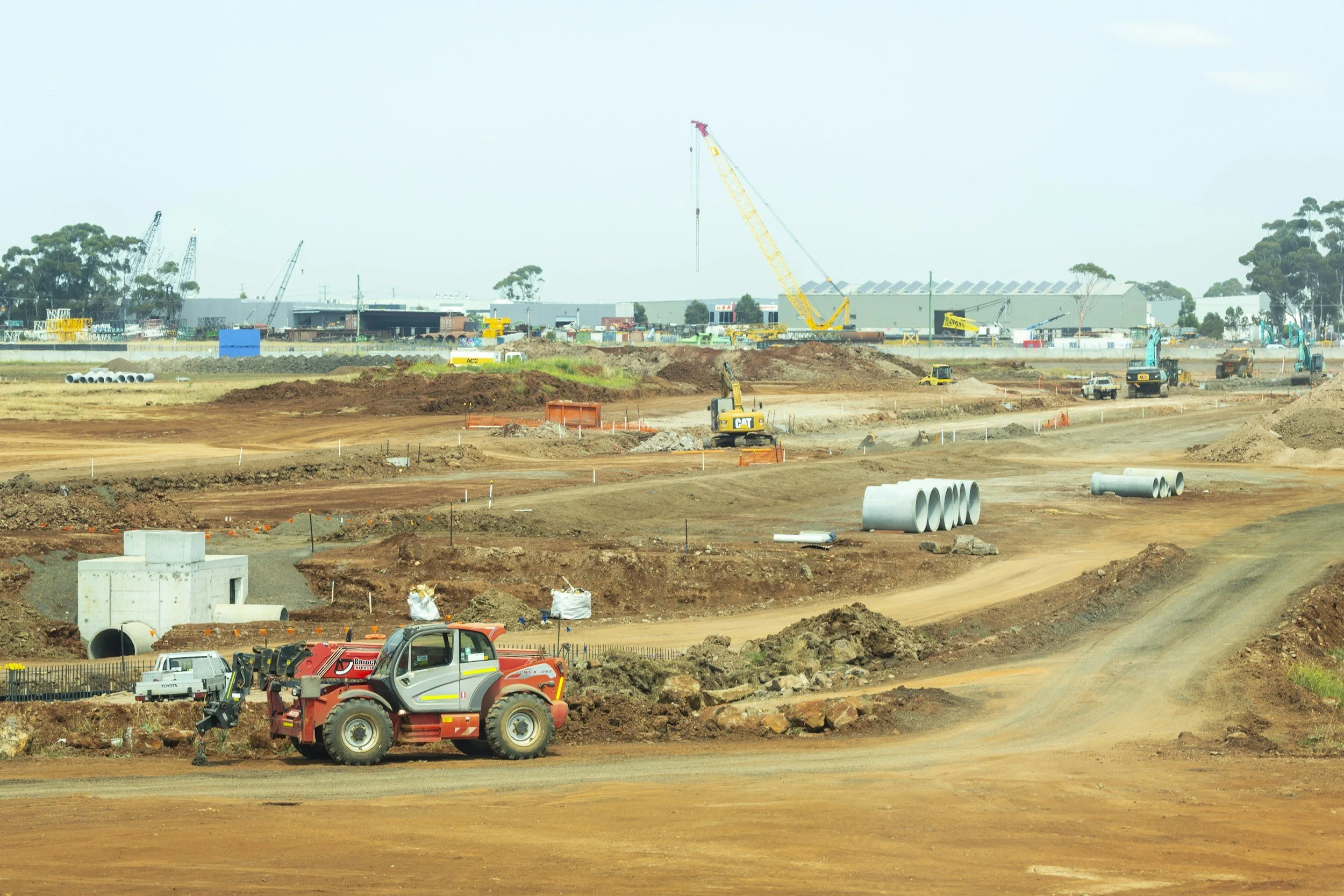
Understanding Existing Site Conditions
Every construction project starts with understanding the property and the conditions surrounding it. No two sites are exactly alike, and existing conditions can have a significant impact on how a project is planned and executed.
Before work begins, contractors may need to evaluate:
Soil and Ground Conditions: Understanding soil composition, stability, and drainage helps determine what preparation may be needed before construction.
Existing Structures: Identifying buildings, foundations, underground utilities, or other existing features that may need to be removed, protected, or incorporated into the project.
Site Access: Evaluating how construction crews, equipment, and materials will access the property throughout the project.
Drainage and Grading: Identifying how water moves across the site and whether adjustments are needed to support proper drainage.
Identifying these conditions early allows the project team to make informed decisions and address potential issues before they become larger challenges during construction.
Grading and Drainage: Preparing the Ground
Grading is one of the most important steps in preparing a construction site. It involves shaping and leveling the ground to create the appropriate elevations for the building, surrounding areas, and site improvements.
Proper grading helps establish a stable building area while directing water away from structures and other critical areas. Without adequate grading and drainage, projects may face issues such as standing water, soil erosion, or water intrusion.
Depending on the property and project requirements, site preparation may involve excavation, soil adjustments, drainage systems, and other improvements to ensure the site is ready for the next phase of construction.
Coordinating Utilities and Infrastructure
Another important part of site preparation is understanding and coordinating existing and planned utilities. Water, sewer, electrical, gas, and telecommunications infrastructure all need to be considered before construction moves forward.
This process may involve identifying existing utility lines, coordinating necessary connections, and planning for new infrastructure based on the project's requirements.
Proper coordination helps reduce conflicts between construction activities and existing infrastructure. It also allows the project team to plan the placement of utilities in relation to the building, surrounding improvements, and overall site layout.
Addressing Potential Challenges Early
One of the biggest benefits of thorough site preparation is the opportunity to identify potential challenges before they affect the construction schedule or budget.
Unexpected soil conditions, underground utilities, drainage concerns, and existing site limitations can all create complications if they are not addressed early in the process.
By evaluating these factors during the planning and pre-construction phases, the project team can better understand what is needed, coordinate the appropriate resources, and develop solutions before moving into active construction.
This early coordination helps support a more organized construction process and reduces the likelihood of avoidable delays or unexpected costs.
Building a Strong Foundation for What's Ahead
Site preparation is more than just clearing and leveling land. It's a critical part of the construction process that helps establish the conditions needed for a safe, functional, and successful project.
At G&G Builders, we understand that every project begins long before the first major phase of construction. Taking the time to evaluate site conditions, coordinate infrastructure, and address potential challenges helps create a clearer path from initial planning through project completion.
A well-prepared site sets the stage for everything that follows.